Indonesia isn’t just one of the world’s best dive destinations, it is also one of the most incredible places to learn to dive.
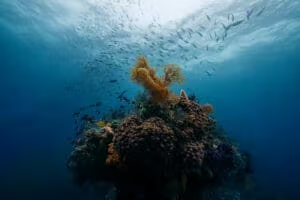
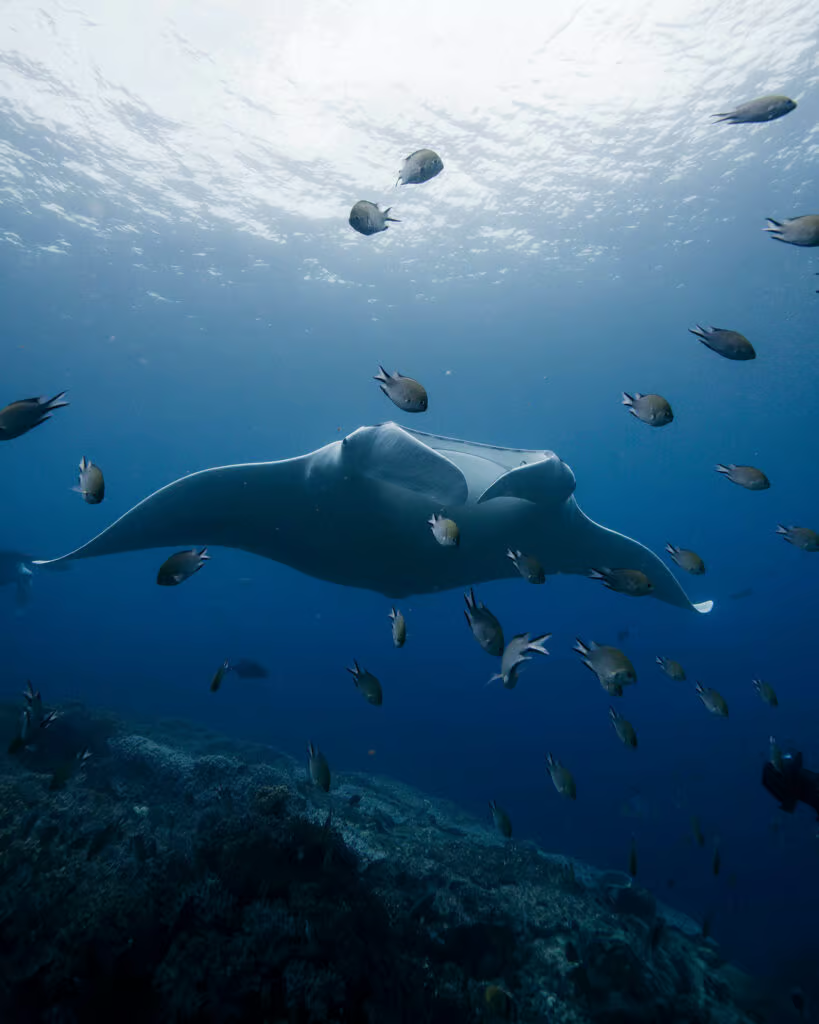
Stretching across the heart of the Coral Triangle, the country offers crystal-clear water, gentle tropical seas, and extraordinary biodiversity, a natural classroom where manta rays glide over coral gardens and sea turtles float lazily past your bubbles.
While the region is famous for advanced liveaboard adventures, there are just as many calm, protected sites that make it ideal for first-time divers. Whether you dream of learning on a traditional Indonesian phinisi or a luxury resort surrounded by turquoise lagoons, there’s nowhere quite like Indonesia to begin your underwater journey.
👉 Explore Calico Jack’s Dive Courses
Why Learn to Dive in Indonesia
Warm, Clear Waters All Year
Indonesia sits on the equator, meaning diving conditions are ideal almost year-round. Visibility often exceeds 25 metres, and water temperatures hover around 27–30 °C (80–86 °F). No thick wetsuits, no cold-water shiver, just warm tropical seas that make every dive relaxed and effortless.
The Coral Triangle Advantage
Learning to dive in Indonesia means entering the most biodiverse marine region on Earth. Over 75 % of the world’s coral species and more than 2,000 types of reef fish live here. You’ll master buoyancy beside turtles, schooling batfish, and fields of soft coral that look straight out of a dream.
Calm Bays and Gentle Currents
While Indonesia is known for exhilarating drift dives, many regions offer calm, sheltered water, perfect for beginners. You can complete your first open-water dives in tranquil lagoons before progressing to more adventurous sites as your confidence grows.
The Luxury of Learning Afloat
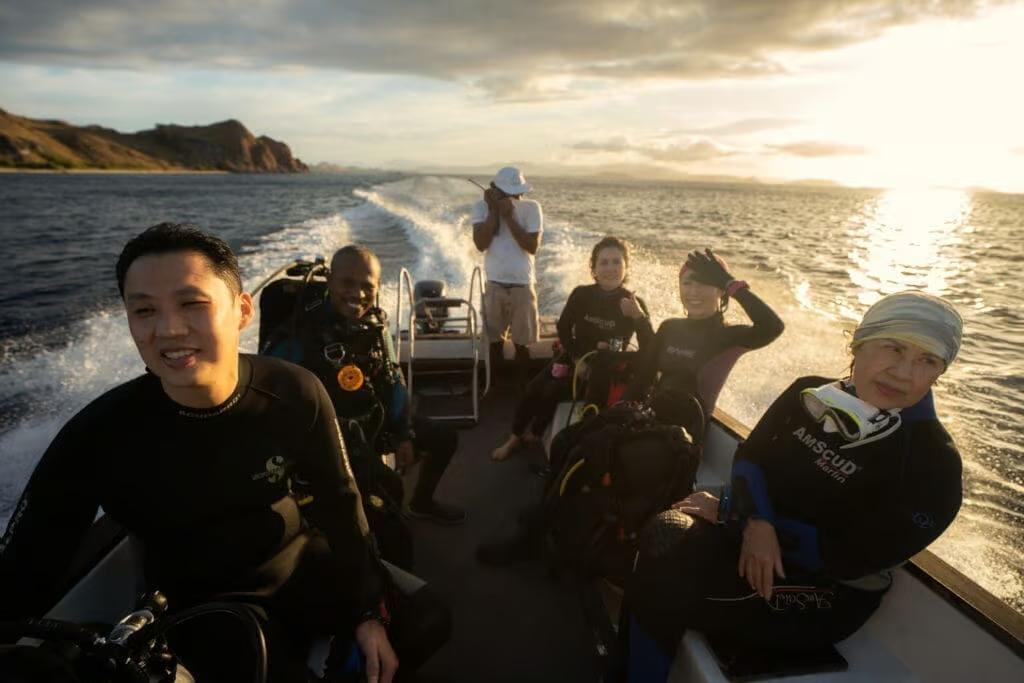
Learning aboard a Boatique-curated liveaboard such as Calico Jack or Anne Bonny turns your certification into a journey. With private instructors, five-star comfort, and world-class diving quite literally at your doorstep, it’s the most inspiring (and efficient) way to earn your PADI dive license.
How Long Does It Take to Learn to Dive?
The globally recognized PADI Open Water Diver certification usually takes three to four days. On a liveaboard, you’ll progress quickly, practicing skills in the morning and applying them on spectacular reefs in the afternoon.
If you’d like a taste before committing, start with the Discover Scuba Diving (DSD) experience: a single day of guided dives that lets you feel the magic of scuba without formal certification. From there, most people continue to the Open Water Diver course, a combination of online theory, shallow-water practice, and four open-water dives.
Already certified? Take your skills further with the Advanced Open Water (AOW) or Enriched Air (Nitrox) courses offered onboard Calico Jack.
Where to Learn to Dive in Indonesia
Indonesia’s vast archipelago offers something for every level from gentle coral gardens to calm volcanic bays. Here are five of the best dive destinations for beginners and new divers:
Tulamben, Bali — Shipwrecks and Coral Gardens
On Bali’s east coast lies Tulamben, home to the legendary USAT Liberty wreck — one of the most accessible shipwreck dives in the world. Resting just 40 metres offshore, the wreck begins at a depth of five metres, allowing beginners to explore its coral-encrusted hull safely.
With easy shore entries, gentle conditions, and vibrant coral gardens nearby, Tulamben is perfect for early dives. Expect to see schooling fish weaving through the wreck, tiny nudibranchs, and maybe even the occasional sea turtle.
Bunaken National Park, North Sulawesi — Calm Reefs and Endless Visibility
Far from the crowds of Bali, Bunaken National Park in Northern Sulawesi offers crystal-clear water and some of the most pristine coral walls in the country. Visibility often stretches beyond 30 metres. The park’s calm conditions make it ideal for new divers, and with fewer tourists, you’ll often have dive sites entirely to yourself.
Drift slowly past soft corals, giant sponges, and curious reef fish, or spend a surface interval watching dolphins play off the bow. Bunaken is where many divers fall in love with their first real underwater adventure.
Halmahera — A Hidden Gem Between Giants
Between the legendary dive hubs of Lembeh Strait and Raja Ampat lies Halmahera, a volcanic island surrounded by untouched reefs. Few divers make it here, which means calm sites, unspoiled coral, and abundant marine life — estimates list over 800 fish species and 450 coral types.
It’s perfect for those who want to escape the crowds and focus on learning in quiet, pristine surroundings. The island’s gentle currents and exceptional biodiversity create a serene environment for building confidence underwater.
Lombok — Shallow Sculptures and Tranquil Bays
Just 40 miles east of Bali, Lombok offers warm, clear water and shallow sites ideal for learning. Glide over colorful coral gardens and underwater sculpture parks, with occasional sightings of manta rays or turtles.
The Gili Islands off Lombok’s northwest coast are especially beginner-friendly — known for easy conditions, sandy entries, and calm seas year-round. For a more exclusive experience, pair a resort stay with private instruction or join a boutique liveaboard itinerary through Boatique.
Komodo National Park — Learn in Legendary Waters
Komodo isn’t just for advanced divers, its northern reefs provide sheltered bays where beginners can safely train amid staggering biodiversity.
And for those ready to pair learning with exploration, Calico Jack Charters operates in Komodo throughout the season, offering beginner-friendly dives combined with world-class comfort. You might complete your Open Water course
in the morning and spot manta rays at Manta Point by afternoon.
👉 Top 10 Dive Sites in Raja Ampat, Indonesia
When’s the Best Time to Learn to Dive in Indonesia?
Because the country spans thousands of islands, there’s always somewhere in season.
| Region | Best Season | Notes |
|---|---|---|
| Raja Ampat | Oct – Apr | Ideal weather and calm seas for beginners. |
| Komodo National Park | Apr – Nov | Dry season; north is calm and clear. |
| Banda Sea | Sept – Nov | Peak visibility and hammerhead season. |
| Bali & Lombok | Year-round | Great entry-level conditions. |
If you’re unsure where to start, our team can help plan a Boatique itinerary aligned with your preferred season and skill level.
👉 Best Time to Visit Raja Ampat: Diving Seasons, Weather & Travel Tips
👉 When’s the Best Time to Visit Komodo National Park?
What Level Do You Need to Be to Dive in Raja Ampat?
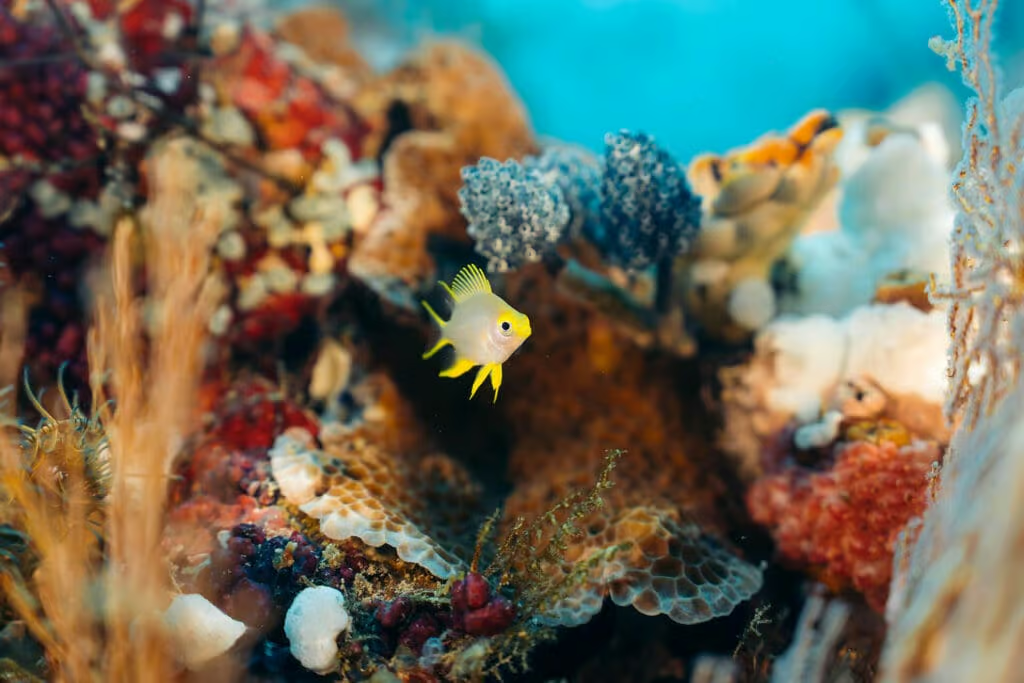
While Raja Ampat has a reputation for thrilling drift dives and strong currents, it’s not just for experts, there are plenty of calm, protected sites that make it a great place for new divers to gain experience.
If you’re just starting out, you can absolutely enjoy diving here, especially under the guidance of an experienced liveaboard crew like Calico Jack Charters.
- Minimum certification: None required if you’re doing a Discover Scuba Diving (DSD) experience or learning through a PADI Open Water course onboard.
- Beginner-friendly areas: Sheltered bays and lagoons around Mansuar, Arborek, Friwen Wall, and Gam Island offer calm conditions and incredible visibility — ideal for first dives or training sessions.
- Certified divers: Once you’re comfortable, there are endless opportunities to explore deeper reefs, drift dives, and sites buzzing with marine life.
- Advanced divers: More experienced guests can enjoy the famous sites — like Cape Kri or Blue Magic — with stronger currents and huge schools of fish.
In short: Raja Ampat is suitable for every level. Beginners can learn in calm lagoons, families can dive together in shallow reefs, and advanced divers can chase manta rays through the current — all within the same region.
For those looking to learn in paradise, Anne Bonny offers private PADI training in Raja Ampat’s gentler waters, while Calico Jack runs guided dives for certified guests ready to explore the region’s iconic sites.
Calico Jack & Anne Bonny — Indonesia’s Premier Dive Liveaboards
In a country celebrated for its diving, Calico Jack Charters stands apart. For over two decades, these handcrafted Indonesian phinisis — Calico Jack and Anne Bonny — have been guiding divers through the archipelago’s most breathtaking reefs, from Raja Ampat and Komodo to the Banda Sea. Together, they represent the very best of liveaboard diving in Indonesia, tradition, experience, and genuine passion for the ocean.
They offer scuba diving courses and scuba diving training across Indonesia from their liveaboard phinisis.
Calico Jack — The Original Dive Explorer
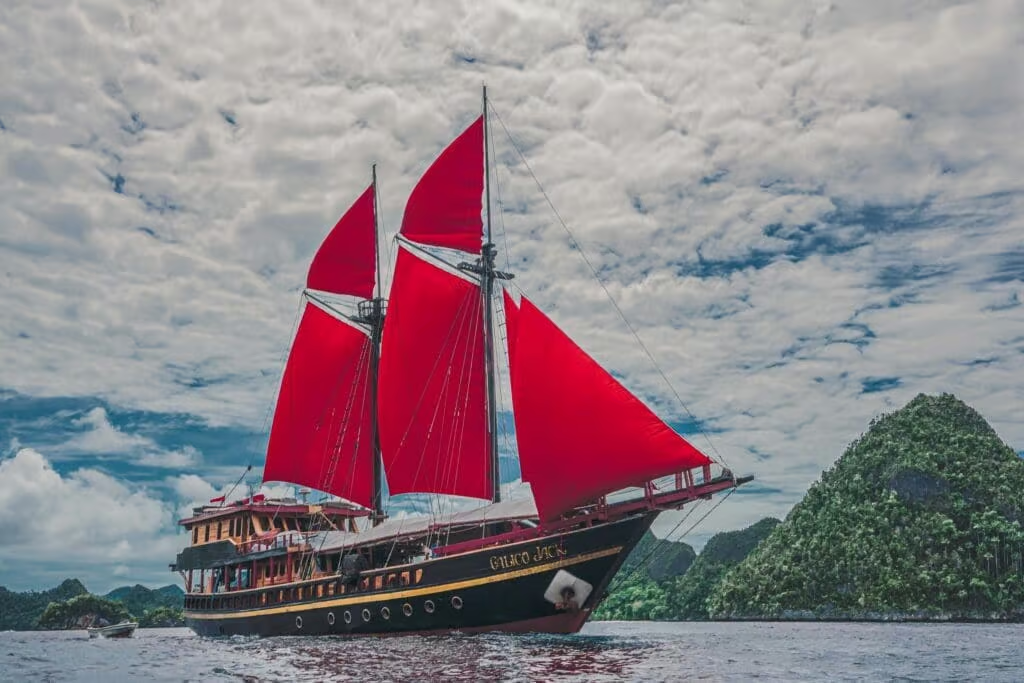
The 30-metre Calico Jack is one of Indonesia’s most respected dive liveaboards. Designed by divers, for divers, she combines authentic craftsmanship with refined comfort. Her experienced crew has spent years mapping Indonesia’s most remote marine regions, long before GPS charts and tourist crowds arrived.
Onboard, guests enjoy spacious cabins, gourmet dining, and a dive operation that runs like clockwork. With her dedicated PADI-certified instructors and dive masters, Calico Jack offers a seamless experience for certified divers and advanced students alike.
It’s where you go to perfect your skills, chase manta rays, and dive the same sites filmed by BBC’s Planet Earth.
Learn more: Advanced Open Water | Nitrox Certification
Anne Bonny — Private Charters, Personalised Learning
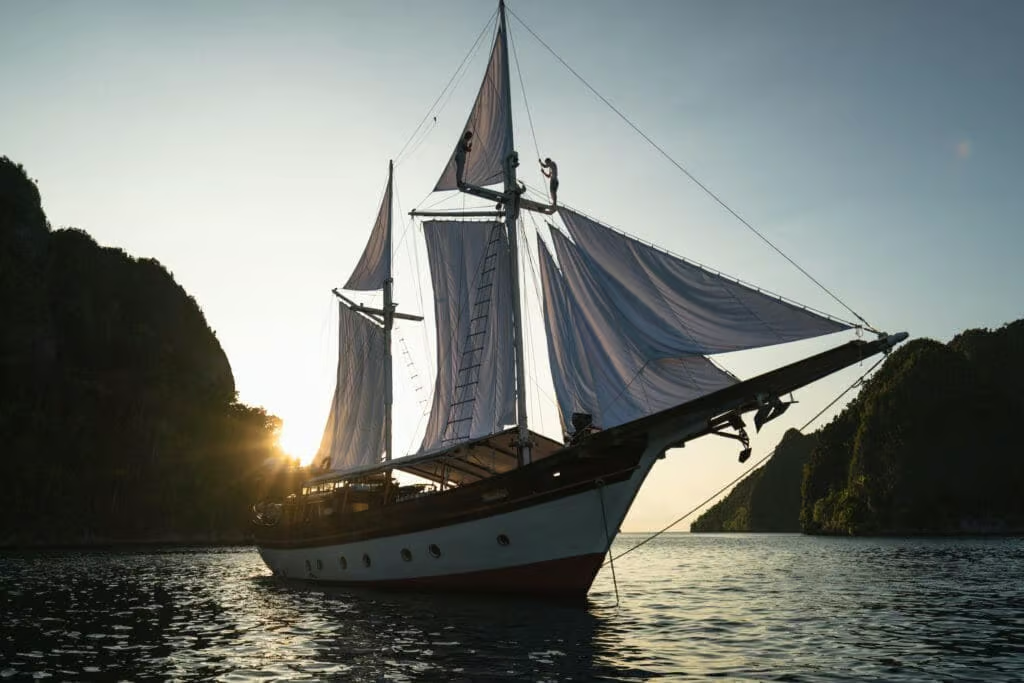
Sister to Calico Jack, the Anne Bonny was designed with privacy and flexibility in mind. Smaller, sleek, and ideal for families or small groups, she offers the rare opportunity to combine luxury cruising with professional dive instruction in calm, beginner-friendly waters.
It’s the perfect setting for newcomers to take their first breaths underwater. Whether you’re discovering scuba for the first time, completing your PADI Open Water, or introducing your kids to diving with the Bubble Maker program, Anne Bonny provides a safe, custom-tailored environment.
Anne Bonny turns learning to dive into a private expedition — relaxed, scenic, and unforgettable.
Learn more: Discover Scuba Diving (DSD) | Open Water Diver | Bubble Maker