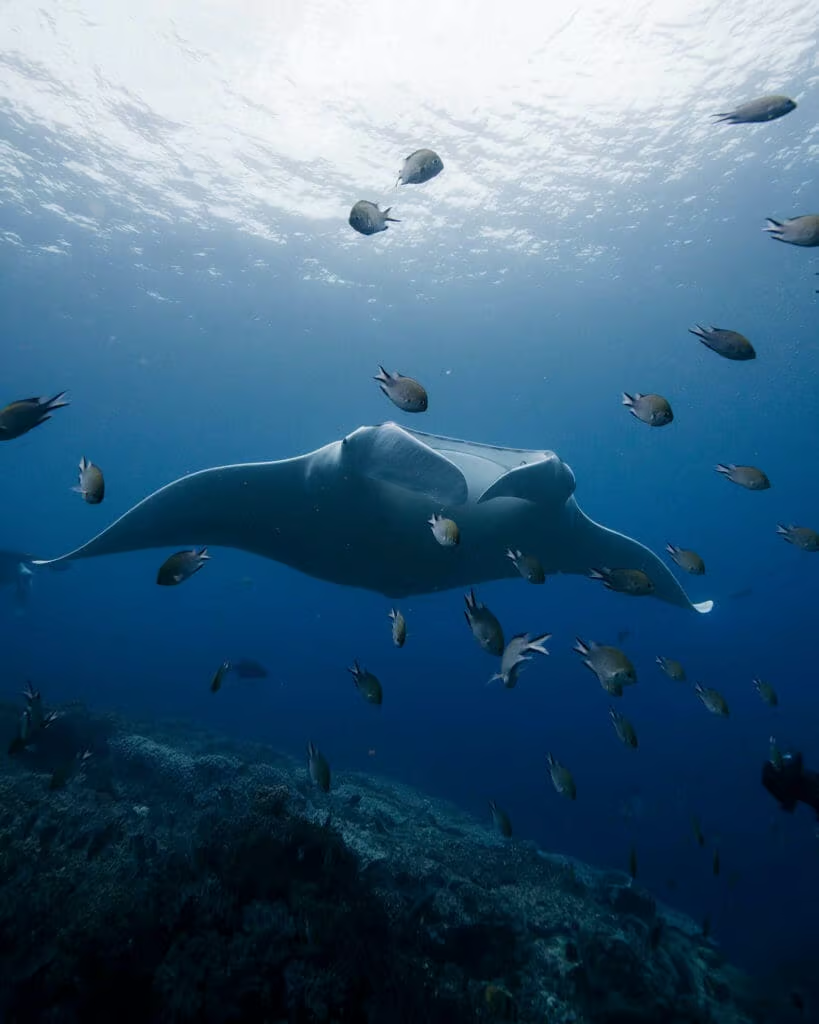
Indonesia is home to two majestic manta ray species: the coastal reef manta (Mobula alfredi) and the open‑ocean giant manta (Mobula birostris), both protected under Indonesia’s vast marine sanctuaries, including Komodo and Raja Ampat.
Who Are They and Where to See Them?
- Reef mantas average around 3–3.5 m across, rarely exceeding 5 m, and usually stick close to coastal regions.
- Giant mantas (also known as Oceanic Manta Rays) are larger, up to 7 m across, and wander farther offshore
The Raja Ampat archipelago hosts one of the largest known populations of reef mantas. Studies identified 1,041 individuals across two major marine parks, growing at ~4–11% annually from 2009 to 2019. Komodo National Park itself is recorded to have over 1,085 photo‑identified mantas making it a global hotspot. These numbers are thankfully on the rise due to Indonesian conservation efforts.
Why Populations Are Rebounding
Manta rays have been officially protected in Indonesia since 2014, and Indonesia’s ban on manta fisheries and its network of marine protected areas have allowed mantas to rebuild while populations decline elsewhere worldwide .
What Makes Them Incredible?
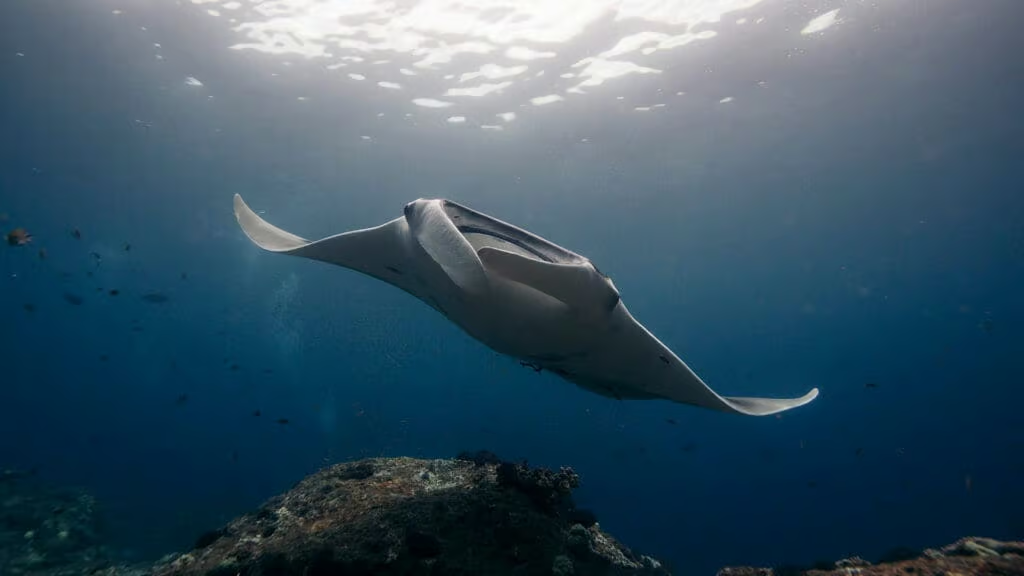
- Smart and social: Mantas have the largest brain-to-body ratio among fish. They recognize fellow rays and even show self-awareness in mirror tests.
- Plankton-loving giants: They gently filter plankton sometimes in awe-inspiring “cyclone feeding” shoals of over 150 mantas .
- Slow life strategy: Mantas grow slowly, mature late, and reproduce sparingly—usually one pup every 2–3 years—making each sighting extra special.
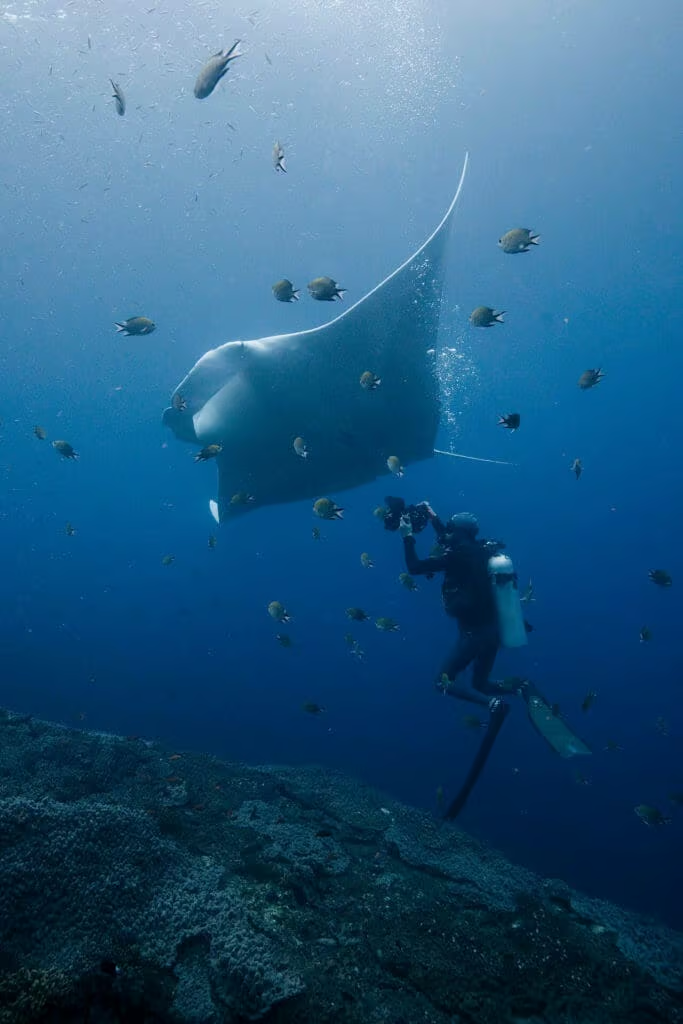
Why Snorkeling and Diving with Them Matters
- Eco-tourism lifeline: Live manta encounters contribute an estimated US$ 1 million per ray over its lifetime, far outstripping revenue from fisheries
- Conservation through experience: Visitors foster appreciation, and protection, by witnessing mantas thrive in their natural habitat.