Have you ever dreamed of coming face-to-face with the largest living lizard on the planet? Meet the Komodo dragon, an awe-inspiring creature that seems straight out of prehistoric times.
Known for their sheer size and unique predatory skills, Komodo dragons can only be found in one part of the world: Indonesia. Specifically, Komodo National Park, located within the Lesser Sunda Islands.
Whether you’re a wildlife enthusiast, an adventure seeker, just curious or keen to come face to face with a living dinosaur, Komodo dragons are an unforgettable sight to behold.
What Are Komodo Dragons?
Komodo dragons are the largest living lizards on Earth, native to a few Indonesian islands, including Komodo, Rinca, Flores, and Gili Motang.
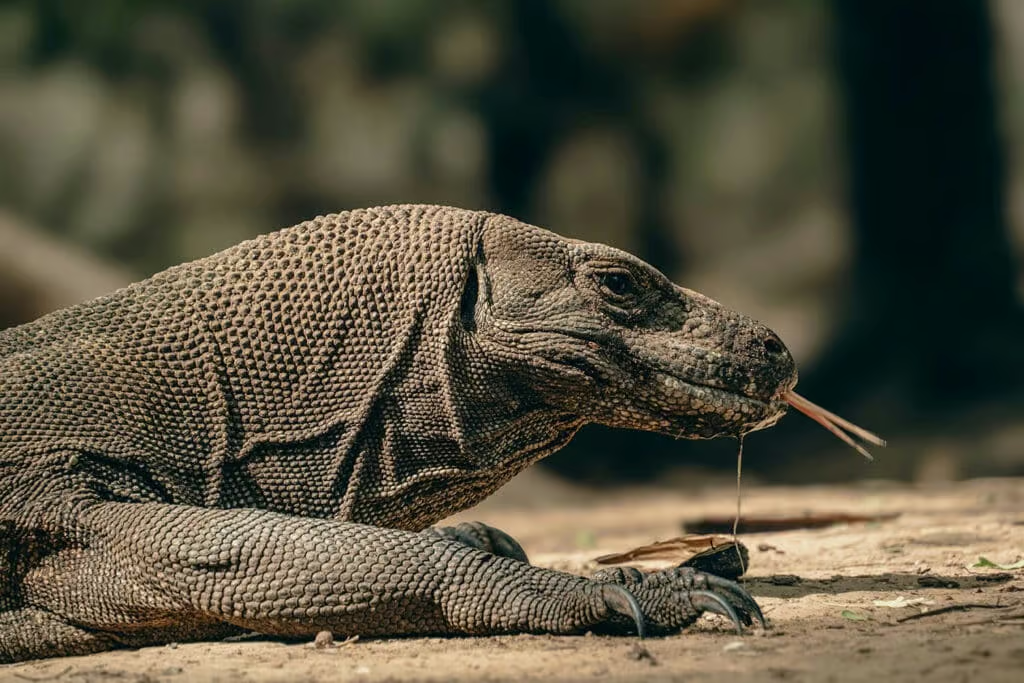
Scientifically known as Varanus komodoensis, these massive reptiles can grow up to 10 feet long and weigh over 150 pounds. They are apex predators, known for their sharp teeth, powerful tails, and keen sense of smell, which they use to hunt prey.
Komodo dragons have a unique feeding strategy, using venomous saliva and bacteria to subdue their targets. Often referred to as “living dinosaurs,” they are an incredible example of the world’s ancient biodiversity and a major draw for wildlife enthusiasts visiting Indonesia.
How Big Are Komodo Dragons?
Komodo dragons are the largest lizards in the world, making them one of the most fascinating apex predators alive today.
- Average length: 2–3 meters (6.5–10 feet)
- Weight: Up to 150+ pounds (70 kg)
- Lifespan: Up to 30 years in the wild
- Bite force: Estimated up to 700 pounds per square inch
- Speed: Up to 20 km/h (12.5 mph) in short bursts
Where Do Komodo Dragons Live in Indonesia?
Komodo Dragons are only found on a few islands in Indonesia’s Komodo National Park including Komodo, Rinca Island and Padar Island.
| Island | Dragon Population | Accessibility | Notes |
|---|---|---|---|
| Komodo | High | Easy | Most popular, guided tours |
| Rinca | High | Easy | Less crowded, more intimate |
| Padar | Low | Moderate | Great views, rare sightings |
| Gili Motang | Very Low | Limited | Remote, only via charter |
| Nusa Kode | Rare | Remote | Only accessed via liveaboard yacht |
Komodo Island – best-known island
The island that shares its name with these reptiles is undoubtedly the most popular spot for sightings.
Komodo Island is the largest and most frequented location for guided tours. Visit during the dry season (April to December) for optimal dragon-spotting opportunities.
Guides ensure visitor safety while providing insights into the dragons’ behavior.
Rinca Island – less touristy, excellent sightings
Rinca Island offers a quieter alternative to Komodo Island, making it ideal for those looking to avoid crowds.
Dragons here are just as impressive, and the island’s smaller size often results in closer encounters.
Guides on Rinca also emphasize observing the dragons in their natural environment, providing a more intimate experience.
Padar Island – few dragons, great views
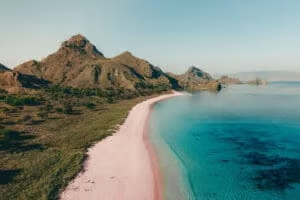
Although less populated by dragons, Padar Island offers breathtaking landscapes.
Its dramatic peaks and sweeping bays make it a popular destination for photographers and hikers.
Komodo Dragons are occasionally spotted here, but the island’s appeal lies in its panoramic views and nearby snorkeling opportunities.
Gili Motang & Nusa Kode – rare/remote sightings
Why Are Komodo Dragons Only Found in Indonesia?
Komodo dragons are endemic to Indonesia, meaning they are found nowhere else in the world in the wild.
These giant lizards evolved in isolation on the islands of Komodo, Rinca, Flores, Gili Motang, and Nusa Kode. Scientists believe their size and limited range are due to a natural phenomenon known as “island gigantism,” where species evolve larger bodies due to lack of predators.
The climate, geography, and prey availability of these islands make them an ideal habitat, another reason Komodo dragons only live in Indonesia.
The Natural Habitat of Komodo Dragons
Komodo National Park: A UNESCO World Heritage Site
Komodo National Park, established in 1980, serves as the primary habitat for these extraordinary reptiles.
Spanning multiple islands, including Komodo, Rinca, and Padar, the park was designated a UNESCO World Heritage Site in 1991, underlining its ecological importance.
Beyond Komodo dragons, the park is home to various species of birds, mammals, and marine creatures, making it a biodiversity hotspot.
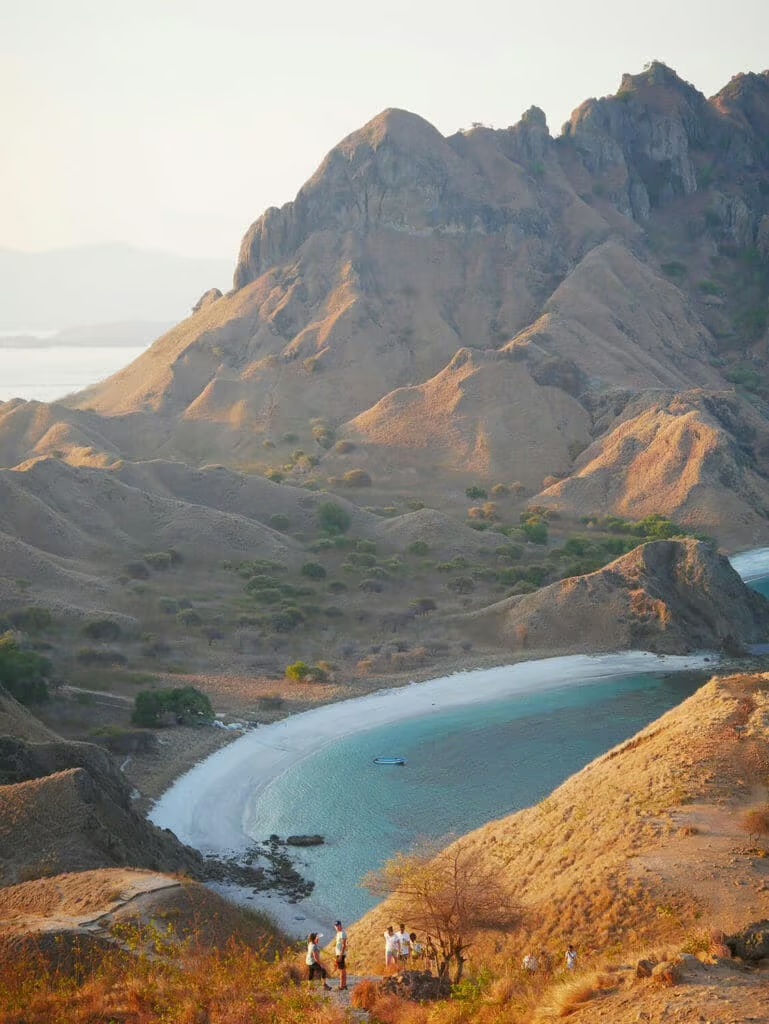
Climate and Environment in Komodo National Park
The park’s dry, rugged terrain perfectly suits the dragons’ predatory lifestyle. These hardy creatures thrive in the arid climate, with sparse vegetation providing the perfect backdrop for spotting them.
The surrounding waters, teeming with marine life, add another layer of beauty to this natural wonder.
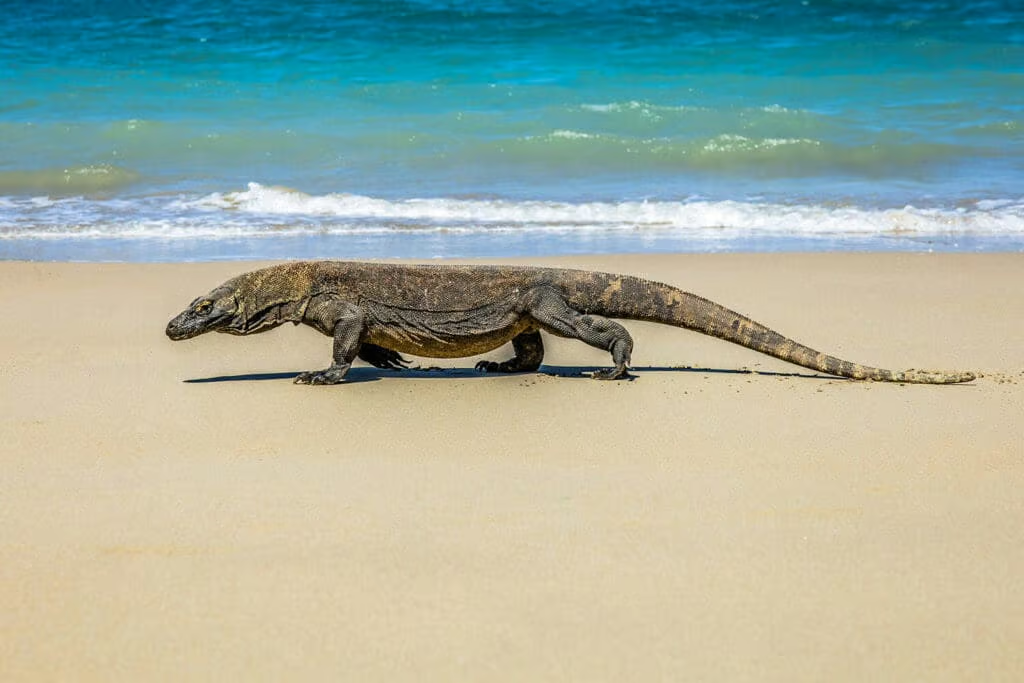
Are Komodo Dragons Endangered?
Yes, Komodo dragons are classified as endangered by the International Union for Conservation of Nature (IUCN).
These incredible creatures face threats from habitat loss due to human activities, climate change, and a limited range confined to just these few Indonesian Islands. Rising sea levels also pose a significant risk to their low-lying habitats.
Conservation efforts are underway, including protected areas like Komodo National Park and community awareness programs, but continued vigilance is essential to ensure the survival of these iconic reptiles for future generations.
The best time to see Komodo Dragons
The best time to see Komodo dragons is during the dry season, which runs from April to December.
During this period, the weather is more predictable, and the dragons are often more active, especially in the mornings and late afternoons. The dry season also makes hiking trails and island exploration easier and safer.
If you visit between April and June, you’ll enjoy lush scenery after the rainy season, while the months of September to November are excellent for fewer crowds and calmer seas, making it ideal for boat trips and snorkeling in addition to seeing these majestic creatures.
What do Komodo Dragons Eat?
Komodo dragons are carnivorous and have a diverse diet that includes deer, wild boar, water buffalo, and smaller reptiles. They are also scavengers, often feeding on carrion. Using their sharp teeth and powerful jaws, they can take down large prey, while their venomous saliva helps weaken their victims.
Juvenile Komodo dragons primarily eat insects, birds, and small mammals until they grow big enough to hunt larger animals. These apex predators play a vital role in maintaining the ecological balance of their habitat.
Do Komodo Dragons Eat Humans?
While Komodo dragons do not typically hunt humans, they are wild animals with powerful bites and venom.
Rare attacks have occurred when people wandered off trails or surprised a dragon. Guides are trained to ensure safety, and attacks are extremely rare when following park rules.
Are Komodo Dragons Poisonous?
Komodo dragons are considered venomous rather than “poisonous.” They have venom glands in their lower jaw that produce a toxic cocktail of proteins.
This venom prevents blood clotting and causes a rapid drop in blood pressure, leading to shock in their prey. Combined with their powerful bite and sharp teeth, the venom makes them highly effective predators. Unlike the long-held belief that their saliva’s bacteria caused deadly infections, researchers now understand that their venom is the primary tool for subduing prey.
Planning Your Visit to Komodo National Park
Start your journey by flying into Labuan Bajo, a small town on Flores Island. From here, you can arrange boat transfers to Komodo National Park. Daily flights to Labuan Bajo are available from major Indonesian cities like Bali and Jakarta.
See our detailed guide on ‘How to Get to Komodo Island’ for more.
Accommodation Options
Labuan Bajo serves as the primary hub for accommodations, ranging from budget hostels to luxurious resorts.
Alternatively, liveaboard boats offer a unique experience, allowing you to explore the park while staying onboard. Boatique Charters are Komodo Islands leading charter experts with extensive knowledge of the region and a fleet of Indonesias finest charter yachts.

Costs and Budgeting for the Trip
Expect to pay for park entrance fees, guided tours, transportation, and accommodation. Costs can vary, but planning ahead ensures you make the most of your budget.
Safety Tips When Observing Komodo Dragons
Komodo dragons are apex predators with sharp claws, powerful tails, and venomous bites. Observing these creatures safely is non-negotiable.
Dos and Don’ts During Dragon Encounters
- Stay with your guide at all times.
- Avoid sudden movements or loud noises.
- Keep a safe distance (at least 5 meters).
- Refrain from wearing perfumes or lotions with strong scents.
Additional Activities in Komodo National Park

Snorkeling and Diving
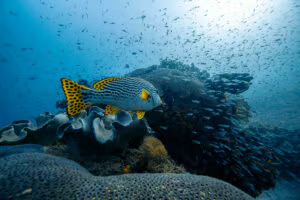
The underwater world of Komodo National Park is just as impressive as its terrestrial attractions. Dive into crystal-clear waters to explore vibrant coral reefs, manta rays, and exotic fish species.
Hiking and Scenic Photography
The park offers numerous trails that cater to various fitness levels. From short hikes to challenging climbs, the landscapes are picture-perfect, making every step worthwhile.
See Komodo Dragons by Private Yacht Charter
The best way to explore Komodo National Park is by private yacht charter. A liveaboard allows you to move between islands, spot Komodo dragons in more remote locations like Nusa Kode, and enjoy world-class diving, snorkeling, and stunning sunrise views — all from the comfort of a luxury vessel.
Boatique Charters offers tailored yacht experiences in Indonesia, with expert crew, elegant cabins, and full itineraries to Komodo’s top spots. Discover what makes a Komodo yacht tour truly unforgettable.
Frequently Asked Questions About Komodo Dragons in Indonesia
What is the best time of year to visit Komodo National Park?
The dry season, from April to December, offers the best conditions for seeing Komodo dragons. During this period, the weather is more predictable, seas are calmer, and the dragons are typically more active, especially in the early morning and late afternoon.
For lush scenery, visit between April and June; for fewer crowds and optimal cruising conditions, September to November is ideal.
How close can you get to a Komodo dragon?
Visitors are usually kept 3 to 5 meters (10 to 16 feet) away from Komodo dragons. Park rangers ensure your safety during guided tours and will help you observe these creatures without disturbing them. Getting too close is not only dangerous—it’s strictly prohibited.
Are there age restrictions for visiting Komodo National Park?
There are no official age restrictions, and children are welcome. However, because Komodo dragons are wild and potentially dangerous animals, it’s important that children are closely supervised and able to follow safety instructions. Parents should consult with tour operators before booking.
Is it safe to travel to Komodo National Park with kids?
Yes, it is safe when done through licensed guides or tour operators. Stick to guided tours, follow safety briefings, and keep children close at all times. Avoid visiting unsupervised or wandering off designated paths.
What should I pack for a trip to see Komodo dragons?
Recommended items include:
- Lightweight, breathable clothing
- Comfortable hiking shoes or boots
- Sunscreen and a wide-brim hat
- Insect repellent
- Reusable water bottle
- Camera or phone for photography
- Light rain jacket (especially if visiting during shoulder seasons)
Can you see Komodo Dragons in Bali?
No. Komodo dragons are not found in Bali or nearby islands like Lombok or the Gilis. They are endemic to Komodo National Park, which includes Komodo, Rinca, and a few other islands in the Lesser Sundas. You’ll need to fly to Labuan Bajo to start your journey.
Are Komodo dragons dangerous to humans?
Yes, they can be dangerous. Komodo dragons are apex predators with sharp teeth, venomous bites, and strong tails. While attacks are extremely rare, they have occurred when people ignored park rules or ventured too close. Always stay with your guide, maintain a safe distance, and follow all safety instructions.
Do Komodo dragons eat humans?
While Komodo dragons do not typically hunt humans, they are opportunistic predators and scavengers. In very rare instances, they have attacked humans, usually as a result of provocation or unsafe behavior. This is why guided tours and strict safety protocols are mandatory.
Are Komodo dragons venomous or poisonous?
Komodo dragons are venomous, not poisonous. They have venom glands in their lower jaw that secrete proteins which cause rapid blood loss, lowered blood pressure, and shock in their prey. This makes their bites extremely dangerous and effective.
How big do Komodo dragons get?
Komodo dragons can grow up to 10 feet (3 meters) in length and weigh over 150 pounds (70 kg). Males are generally larger than females. They are the largest living lizards in the world and have a powerful bite, capable of taking down large prey.
How fast can a Komodo dragon run?
Despite their size, Komodo dragons can run at speeds of up to 20 km/h (12.5 mph) in short bursts. They use this speed to ambush prey but cannot maintain it for long distances. Visitors should never try to outrun or approach a dragon.
How many Komodo dragons are left in the wild?
Estimates suggest there are between 3,000 to 5,000 Komodo dragons left in the wild, with the majority living on Komodo and Rinca Islands. Conservation efforts are ongoing, but the species is listed as endangered due to habitat loss and climate change.
Where is the best place to see Komodo dragons?
The best places to see Komodo dragons in Indonesia are:
- Komodo Island – the most popular and accessible
- Rinca Island – less touristy, often more intimate sightings
- Nusa Kode and Gili Motang – accessible only via liveaboard charter, ideal for private encounters in the wild
Why are Komodo dragons only found in Indonesia?
Komodo dragons are endemic to Indonesia, having evolved in isolation on a few islands over millions of years. This rare habitat, limited competition, and natural prey availability created the perfect conditions for them to thrive here—and nowhere else on Earth.
Can Komodo dragons swim?
Yes, Komodo dragons are strong swimmers and have been observed swimming between islands. This ability allows them to expand their territory and explains how they ended up on multiple islands within Komodo National Park.
How do I get to Komodo National Park?
To reach Komodo National Park:
- Fly to Labuan Bajo (LBJ) on Flores Island from Bali or Jakarta.
- From Labuan Bajo, join a guided boat tour or private yacht charter to visit the islands where Komodo dragons live.