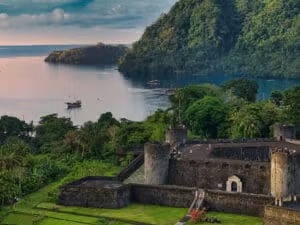
Indonesia is home to one of the richest marine ecosystems on Earth, with coral reefs, mangroves, seagrass meadows, and more fish species than anywhere else on the planet. To protect these resources, the government has established Marine Protected Areas (MPAs), ocean zones where fishing, tourism, and development are carefully managed.
As of 2025, Indonesia has 76 MPAs covering 13.5 million hectares, with total conservation zones already exceeding 30 million hectares. By 2030, the country aims to safeguard 32.5 million hectares, making it one of the largest marine conservation networks in the world.
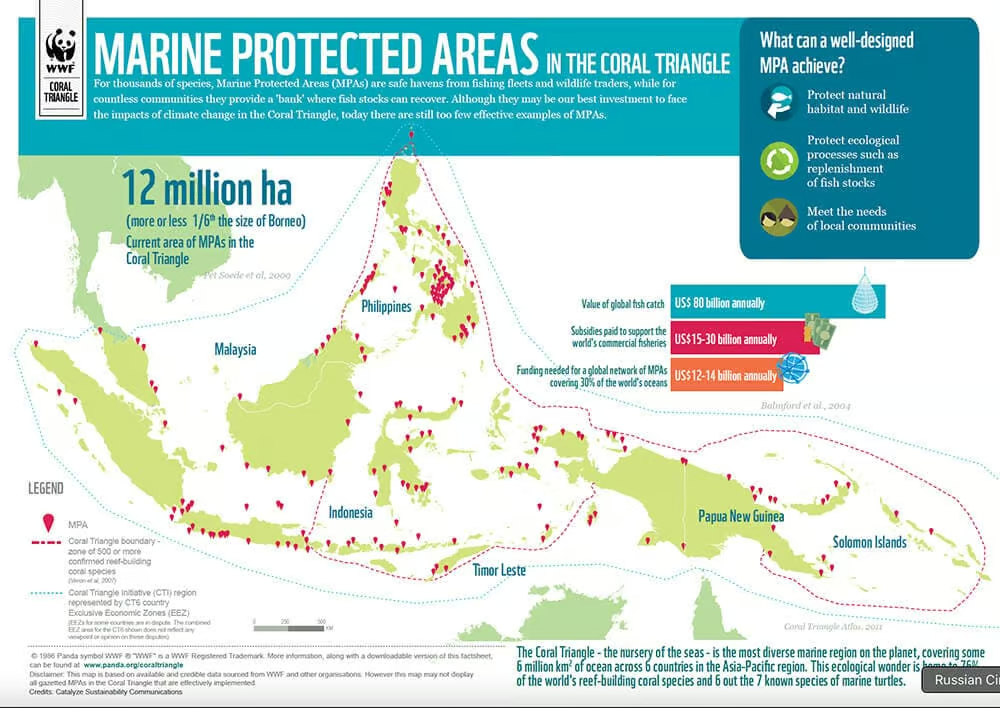
Quick Facts About Indonesias Marine Protected Areas
- 76 MPAs Covering 13.5 Million Hectares – As of 2025, Indonesia has 76 Marine Protected Areas, with ongoing expansions exceeding 30 million hectares toward a 2030 goal of 32.5 million hectares.
- Protecting Biodiversity & Fisheries – MPAs preserve endangered species, restore coral reefs, and support sustainable fisheries, ensuring long-term marine health and food security.
- Eco-Tourism & Economic Benefits – Well-managed MPAs attract divers, snorkelers, and responsible travelers, providing income for local communities while funding conservation efforts.
- Challenges: Illegal Fishing & Pollution – Overfishing, marine pollution, and weak enforcement pose risks to MPAs, requiring stronger management, regulations, and community involvement.
- The Future: 32.5M Hectares by 2030 – Indonesia aims to expand MPAs, strengthen local governance, and integrate conservation with sustainable tourism to safeguard ocean ecosystems for future generations.
How Many Marine Protected Areas Does Indonesia Have?
- 76 MPAs covering 13,529,197 hectares (2025)
- Expansions bring the total to 30+ million hectares
- 2030 Target: 32.5 million hectares → reinforcing Indonesia’s role as a global leader in marine conservation
As of 2025, Indonesia has established 76 Marine Protected Areas (MPAs), covering an impressive 13,529,197 hectares. These protected zones are critical for preserving biodiversity, ensuring sustainable fisheries, and supporting eco-tourism. However, with increasing threats like overfishing and climate change, Indonesia has taken bold steps to expand its conservation efforts.
Which Are the Most Famous MPAs in Indonesia?
Indonesia is home to some of the most famous Marine Protected Areas in the world, each offering unique marine biodiversity, pristine ecosystems, and world-class diving opportunities.
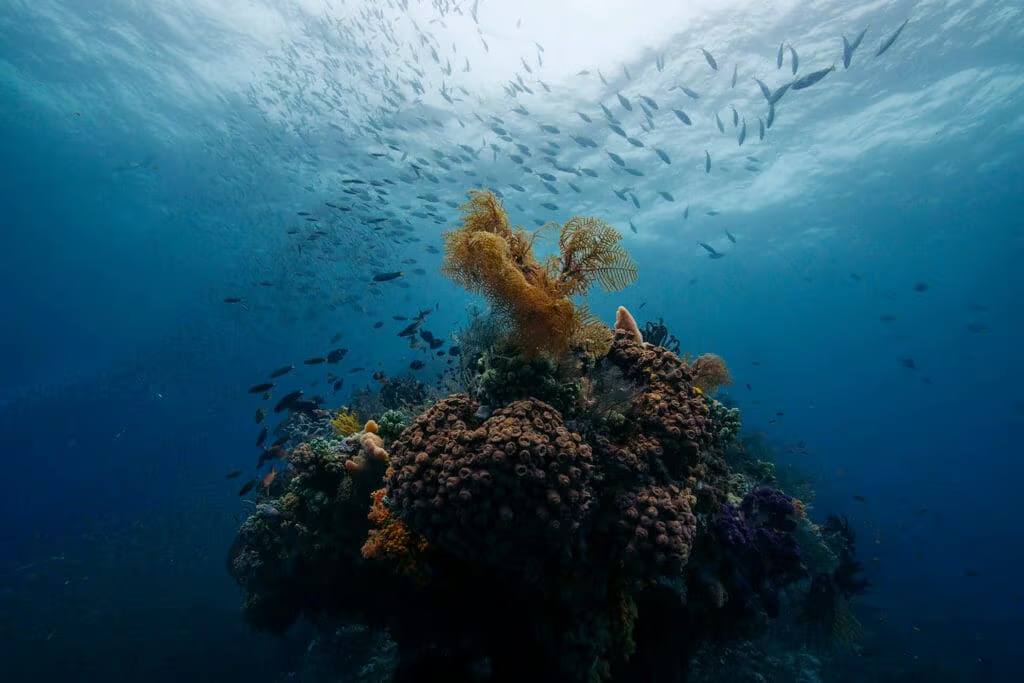
Raja Ampat Marine Protected Area (West Papua)
- Known as the “Amazon of the Seas” – The most biodiverse marine ecosystem on Earth.
- Home to over 600 coral species & 1,700+ fish species.
- Includes popular diving spots like Misool, Dampier Strait, & Wayag.
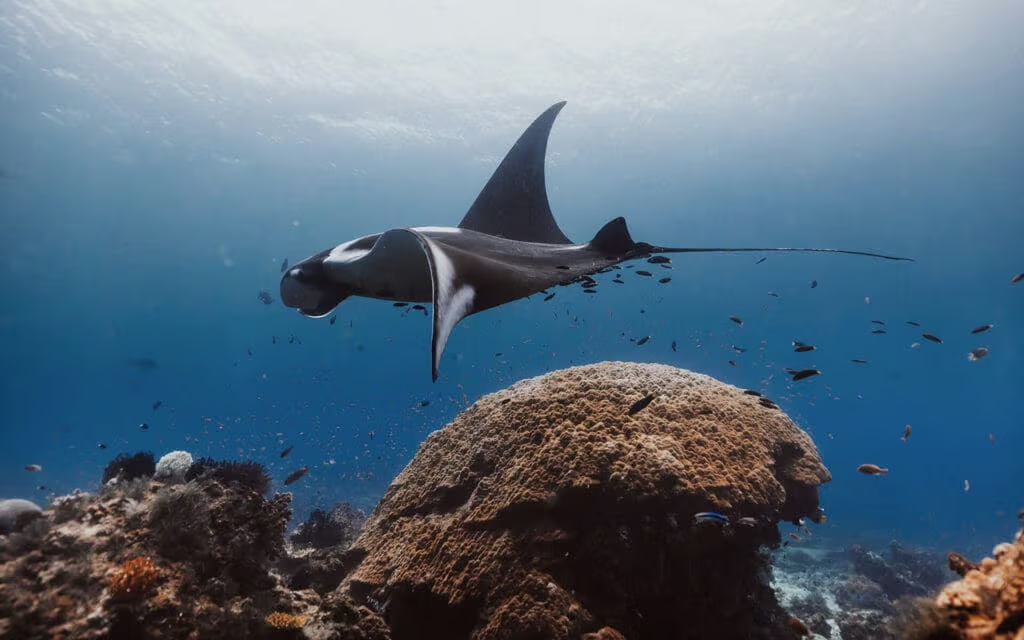
Komodo National Park (East Nusa Tenggara)
- UNESCO World Heritage Site, famous for Komodo dragons & stunning coral reefs.
- Strong currents bring nutrient-rich waters, attracting manta rays, sharks, & large pelagics.
- Includes famous dive sites like Batu Bolong, Manta Point, & Castle Rock.
Wakatobi National Park (Southeast Sulawesi)
- A diver’s paradise with one of the world’s healthiest coral reef systems.
- Part of the Coral Triangle, home to 750 coral species.
- Renowned for exceptional visibility & rare marine species.
Bunaken National Park (North Sulawesi)
- Famous for steep coral walls, rich macro life, & vibrant fish populations.
- Home to 70% of all fish species found in the Indo-Western Pacific.
- One of Indonesia’s first MPAs, established in 1991.
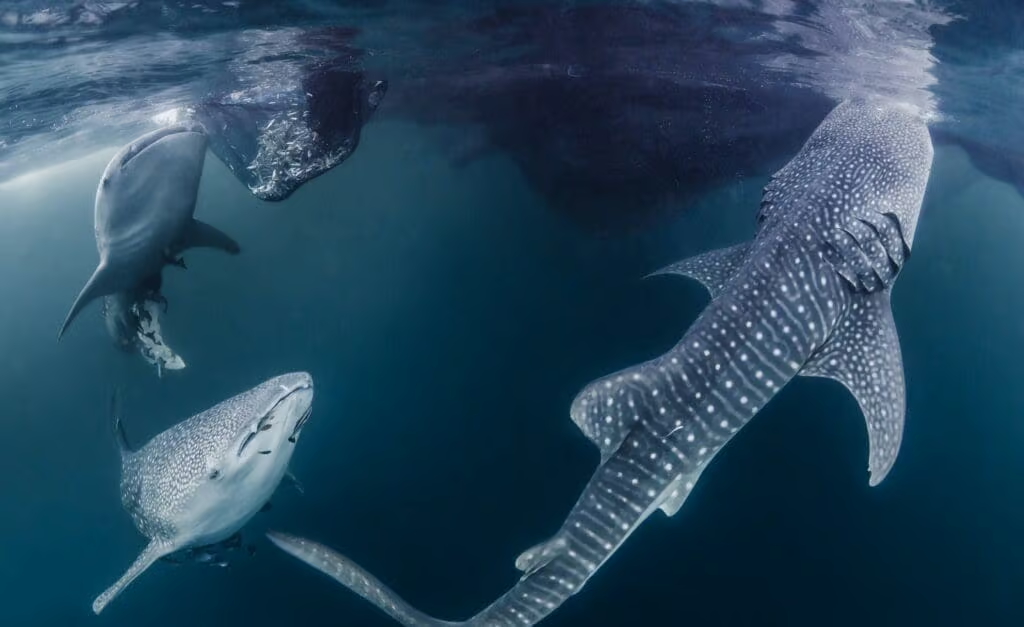
Cenderawasih Bay National Park (West Papua)
- One of the best places in the world to dive with whale sharks.
- Features WWII shipwrecks & deep-water reefs.
- Remote & less crowded, offering an exclusive diving experience.
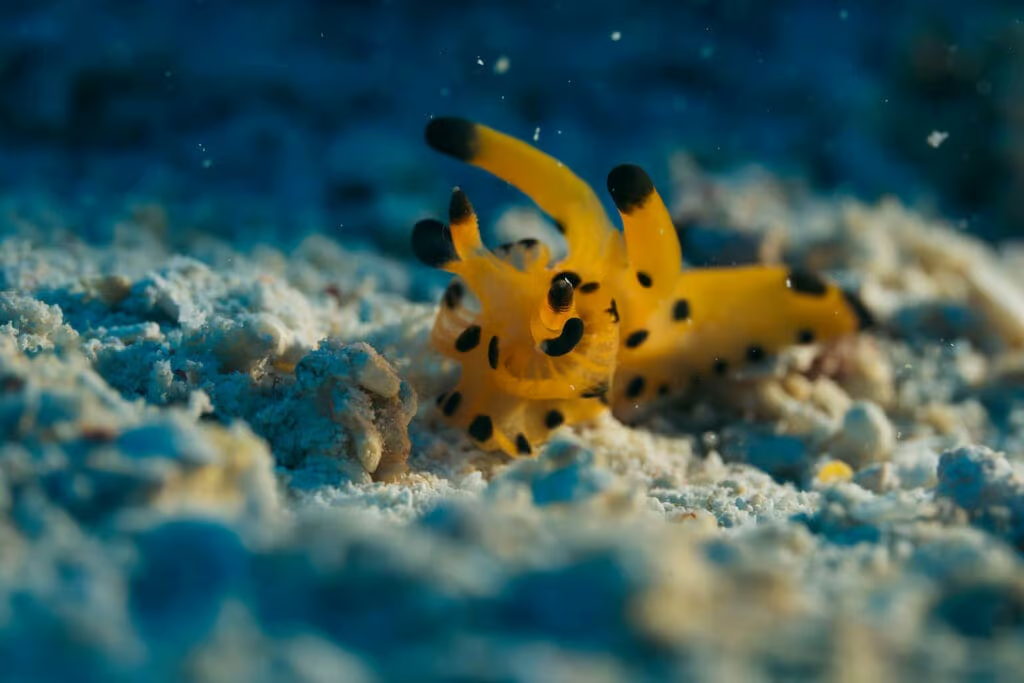
Triton Bay Marine Protected Area (West Papua)
- Known for its soft coral gardens, whale sharks, and dramatic limestone islands.
- Part of the Bird’s Head Seascape, alongside Raja Ampat & Cenderawasih Bay.
- A hidden gem for those seeking untouched marine biodiversity.
Derawan Islands Marine Conservation Area (East Kalimantan)
- Includes famous islands like Maratua, Kakaban, & Sangalaki.
- Home to stingless jellyfish lakes, manta rays, & green sea turtles.
- A mix of deep-sea and shallow reef ecosystems.
Anambas Islands Marine Protected Area (Riau Islands)
- One of Indonesia’s newest MPAs, protecting coral reefs & marine life.
- Remote & untouched, ideal for diving & snorkeling.
- Features crystal-clear waters, healthy reefs, and diverse fish species.
Each of these MPAs plays a vital role in conserving Indonesia’s rich marine biodiversity while supporting sustainable tourism and local communities.
What’s New in Indonesia’s MPAs?
Indonesia continues to expand its marine conservation areas, with new MPAs being added in strategic locations to protect vulnerable ecosystems. Recently, Bintan (Riau Islands) and Bitung (North Sulawesi) were designated as new MPAs, further strengthening the country’s commitment to marine sustainability.
- New Conservation Areas: Recently added MPAs in Bintan (Riau Islands) & Bitung (North Sulawesi)
- Strengthened Regulations: Stricter fishing restrictions & eco-tourism guidelines to ensure sustainability
- Community-Based Management: Increased involvement of local communities in MPA governance
Why This Matters: Expanding MPAs ensures better protection for endangered species, healthier marine ecosystems, and stronger fish populations—benefiting both nature and the communities that rely on the ocean for their livelihood.
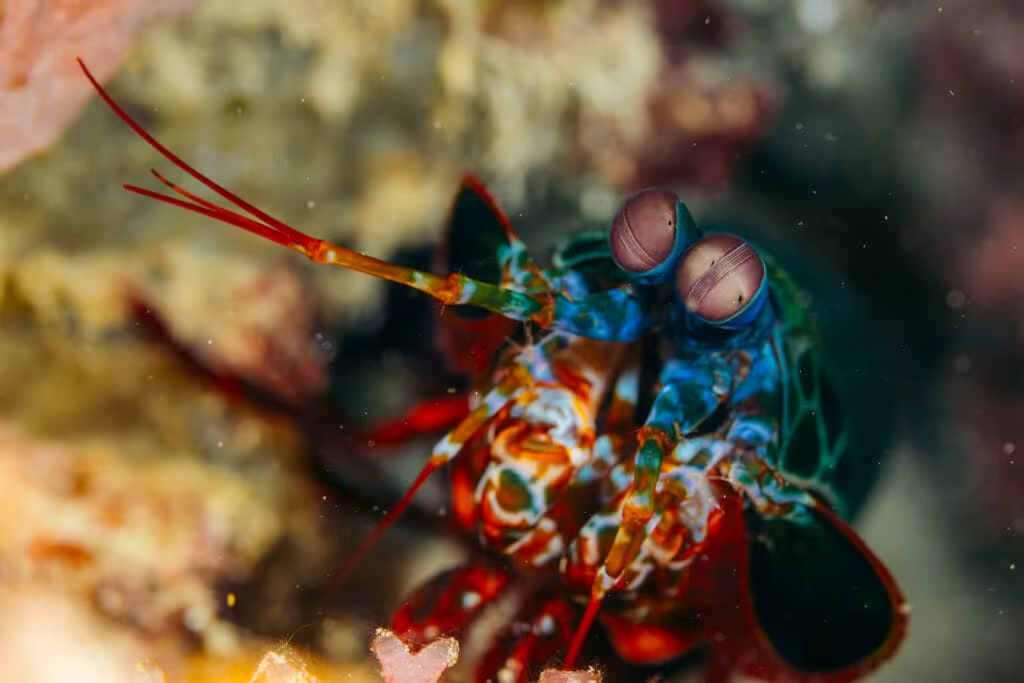
Why Are Marine Protected Areas Important?
MPAs are essential for maintaining a healthy ocean ecosystem. They serve as safe havens for marine species, help local fisheries thrive, and promote sustainable tourism. Without them, Indonesia’s marine biodiversity would be at serious risk from overfishing, pollution, and habitat destruction.
- Biodiversity Conservation: Protects endangered marine species like sea turtles, manta rays, and sharks
- Sustainable Fisheries: Maintains healthy fish stocks and supports local communities
- Eco-Tourism Benefits: Attracts divers, snorkelers, and nature lovers, boosting the local economy
- Climate Change Mitigation: Coral reefs and mangroves act as natural carbon sinks, reducing CO2 levels
Did You Know? Indonesia’s Coral Triangle is home to 75% of the world’s coral species—the highest marine biodiversity on Earth!
Challenges Facing Indonesia’s MPAs
Even with global recognition, MPAs struggle with:
- Illegal Fishing: Blast fishing, poaching, and trawling damage reefs
- Pollution & Climate Change: Coral bleaching, plastic waste, rising sea temps
- Unregulated Tourism: Overcrowding and coastal development
What’s being done: Indonesia is investing in enforcement, expanding protected zones, and giving more control to local communities.
The Future of Marine Conservation in Indonesia
Indonesia has set an ambitious goal to expand MPAs to 32.5 million hectares by 2030. This expansion will protect more ecosystems, enhance fisheries management, and strengthen local conservation efforts.
- Expansion to 32.5 Million Hectares: Increased protection for marine habitats & wildlife
- Community-Based Conservation: Local fishermen & villagers actively managing MPAs
- Stronger Global Partnerships: Collaborating with international organizations for funding & research
The Goal? To create a balance between conservation & sustainable economic growth, ensuring that Indonesia’s marine environment remains a thriving natural wonder for generations to come.
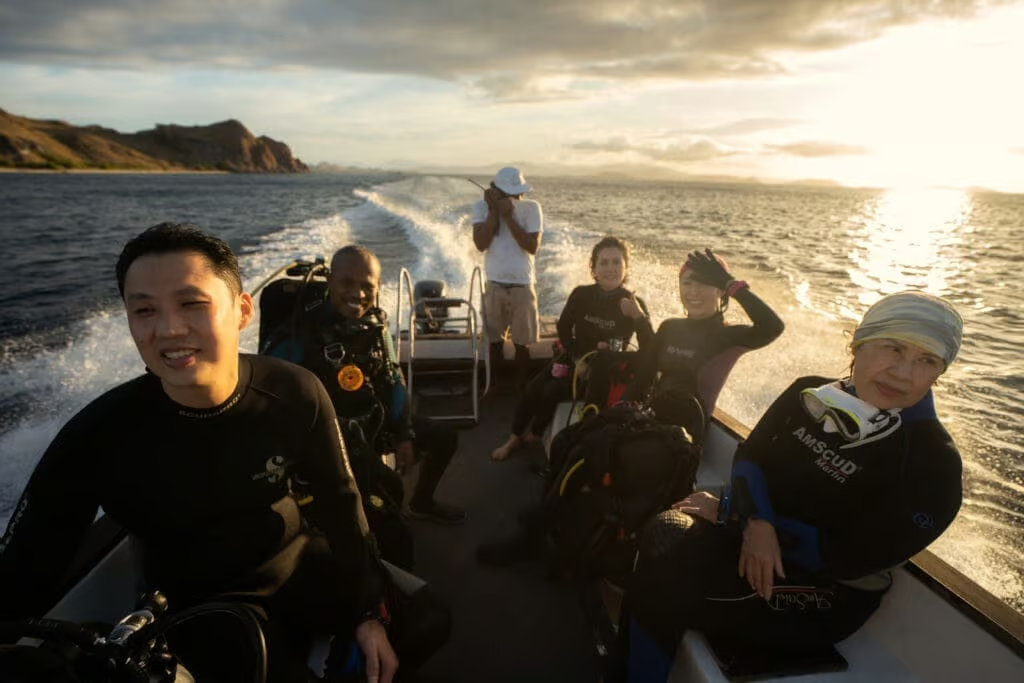
How Can You Support Marine Conservation?
You don’t have to be a scientist or conservationist to make a difference in protecting Indonesia’s oceans. Here are a few simple ways to support MPAs and marine sustainability:
- Choose Eco-Friendly Tour Operators – Book with companies that follow sustainable tourism practices
- Reduce Plastic Waste – Use reusable water bottles & eco-friendly products
- Respect MPA Rules – Follow diving & snorkeling guidelines to protect marine life
- Support Marine Conservation Efforts – Donate to organizations working to protect Indonesia’s reefs & wildlife
Key Takeaways
- Indonesia leads the world with 76 MPAs (13.5M hectares) → expanding to 32.5M hectares by 2030
- MPAs protect biodiversity, sustain fisheries, and fuel eco-tourism
- Challenges like illegal fishing and pollution remain, but enforcement and community action are strengthening
- Tourists can actively support conservation by traveling responsibly