A Guide to Weather, Diving Seasons & When to Go
Raja Ampat, a remote archipelago in the heart of the Coral Triangle, is home to the richest marine biodiversity on Earth. Located off the coast of West Papua, Indonesia, it draws divers, snorkelers, and nature lovers from around the world to explore its vibrant coral reefs, crystal-clear waters, and dramatic limestone islands.
But when is the best time to visit Raja Ampat? While it’s technically a year-round destination, understanding the region’s tropical climate, diving seasons, and weather patterns can help you plan the perfect journey, whether you’re looking to dive with manta rays at cleaning stations, cruise between different islands, or simply unwind in nature’s most spectacular marine sanctuary.
Quick Answer: When to Visit Raja Ampat
The best time to visit Raja Ampat is between October and April, which is the region’s dry season. During this period, you can expect:
- Calmer seas – ideal for island-hopping, snorkeling, and liveaboard charters
- Excellent underwater visibility – often exceeding 25–30 meters
- Warmer water temperatures – typically 28–30°C (82–86°F)
- Peak marine life activity – manta rays, reef sharks, and large schools of fish are frequently seen
- Better access to remote dive sites – especially in Central Raja Ampat, Misool, and Dampier Strait
This is considered peak diving season, offering the most reliable conditions for scuba diving, underwater photography, and yacht-based exploration.

Raja Ampat’s Climate at a Glance
Raja Ampat sits near the equator and maintains tropical, warm conditions year-round.
- Air temperatures: 27–30°C (80–86°F)
- Water temperatures: 28–30°C (82–86°F)
- Sunlight: ~12 hours daily
- Humidity: High, especially during the rainy season
Rainfall by Season:
- Dry Season: October–April (ideal for marine travel)
- Rainy Season: May–September (less predictable, but not a complete no-go)
Rain typically comes in short, heavy bursts and is often followed by clear skies.
Best Time for Diving in Raja Ampat
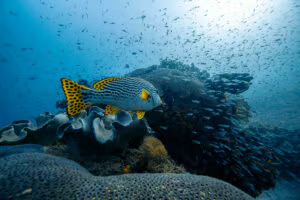
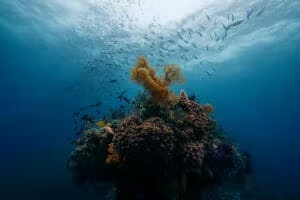
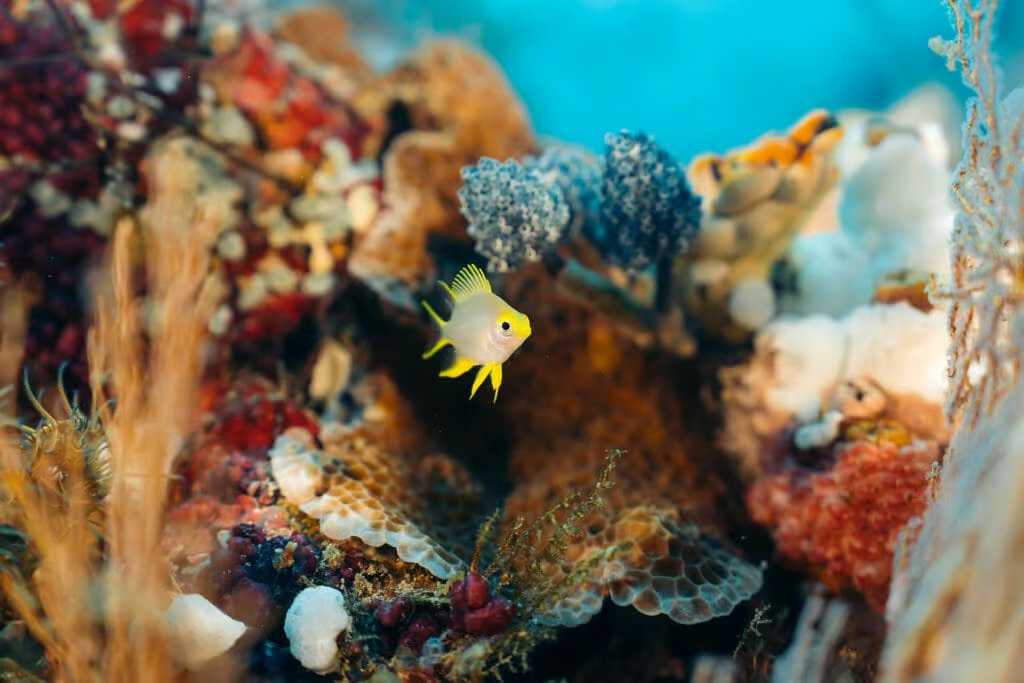
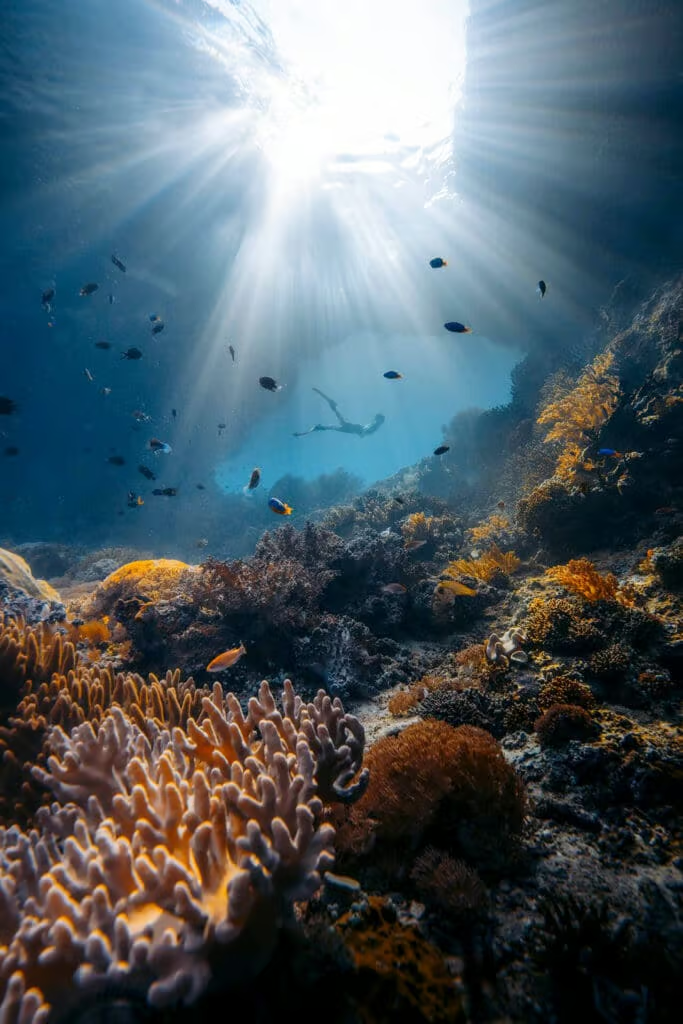
Diving in Raja Ampat is unlike anywhere else on Earth. Located within the epicentre of the Coral Triangle, the region supports more than 600 coral species and over 1,500 species of reef fish, more than the entire Caribbean combined. From slow-drifting cleaning stations where manta rays hover, to steep drop-offs teeming with pelagics, Raja Ampat’s dive sites are as diverse as they are remote.
But while scuba diving is possible year-round, the best diving conditions are found between October and April, when weather, visibility, and marine life align.
Best Diving Season: October to April
This window marks Raja Ampat’s dry season, offering:
- Underwater visibility of 20–30+ meters
- Warmer, calmer seas, ideal for dive tenders and liveaboards
- High likelihood of seeing manta rays, reef sharks, wobbegongs, and vast schools of trevally, snapper, and fusiliers
- Access to remote southern sites like Misool, where nutrient-rich upwellings attract spectacular biodiversity
Peak manta activity typically occurs December to February, when these gentle giants aggregate in Central Raja Ampat around iconic sites like Manta Sandy and Manta Ridge.
Diving in the Rainy Season (May–September)
You can still dive during the rainy season, but it’s important to understand the trade-offs:
| Pros | Cons |
|---|---|
| Fewer boats and quieter dive sites | Rougher seas, especially in July–August |
| Lower pricing on charters and resorts | Visibility can drop below 15 meters |
| Unique seasonal encounters (macro life, migrations) | Some liveaboards relocate to Komodo or Flores |
The windier months of June–August are less ideal for long-distance cruising or open sea crossings. However, northern Raja Ampat may remain diveable depending on conditions.
Month‑by‑Month Guide to Visiting Raja Ampat
While Raja Ampat can be visited year round, conditions vary noticeably by month, particularly for diving, sea crossings, and liveaboard travel. This overview helps you decide when to go based on weather, marine life, and travel style.
October
- Marks the start of the dry season
- Seas begin to settle after the wetter months
- Underwater visibility improves steadily
- Excellent time for early‑season divers and photographers
Best for: Early access, quieter conditions, improving dive quality
November
- One of the most balanced months to visit Raja Ampat
- Calm seas, strong visibility, and active marine life
- Fewer boats than peak season, but full access to dive sites
Best for: Divers seeking ideal conditions without peak crowds
December – February
- Peak season for Raja Ampat
- Best overall weather conditions
- High concentration of manta rays at cleaning stations
- Consistently warm water and excellent scuba diving conditions
Best for: First‑time visitors, manta ray encounters, premium liveaboard charters
March – April
- End of the dry season, still offering excellent diving
- Slightly warmer water temperatures
- Noticeably fewer boats and guests than mid‑season
Best for: Experienced divers, photographers, travellers seeking calmer pace
May – September
- Raja Ampat’s rainy and windier season
- Rougher seas, particularly June to August
- Some liveaboards reposition to other regions
- Lower prices and minimal crowds
Best for: Budget‑conscious travellers, experienced divers, flexible itineraries
Less ideal for: Long sea crossings and first‑time visitors
A Quick Planning Note
If your trip involves liveaboard cruising or private yacht charters, the October to April window offers the most reliable sea conditions — particularly for reaching remote islands and exposed dive sites in Central and Southern Raja Ampat.
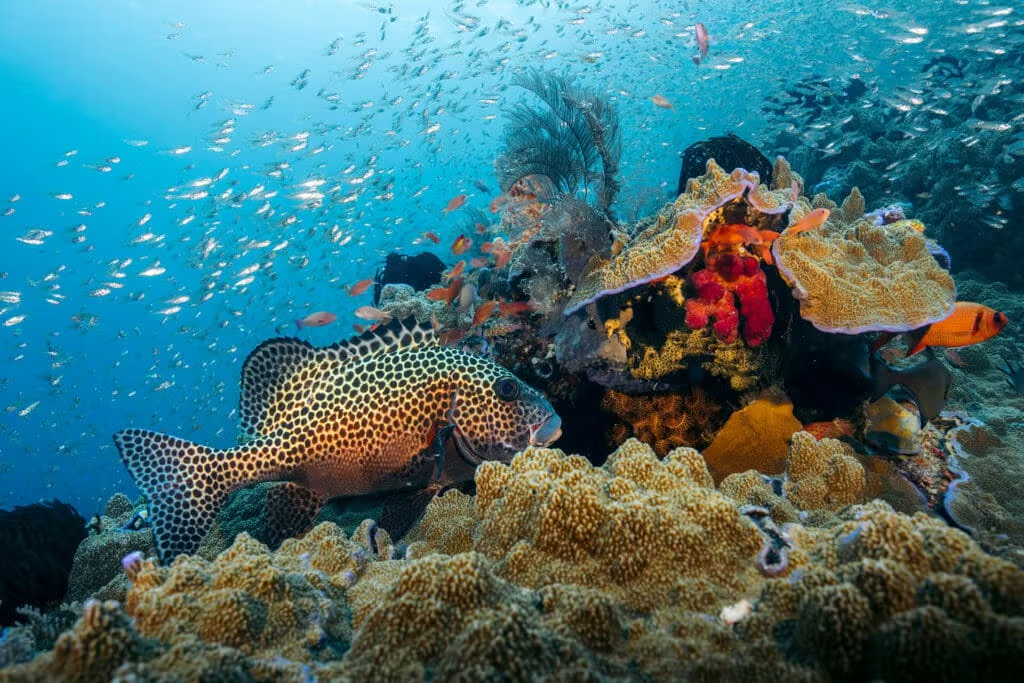
Best Times for Wildlife in Raja Ampat
Raja Ampat offers encounters with both iconic megafauna and some of the rarest macro creatures on Earth. While marine life is present year-round, certain species are seasonally easier to spot, particularly in relation to currents, plankton blooms, and water temperature shifts.
Here’s a breakdown of the best time to see Raja Ampat’s signature species:
| Species | Best Time to Spot |
|---|---|
| Manta Rays | October to April (peak: January–February) – often seen at cleaning stations in Central Raja Ampat (Manta Sandy, Manta Ridge) |
| Whale Sharks | Occasionally year-round – most likely near bagan fish platforms, especially in West Papua or Triton Bay extensions |
| Pygmy Seahorses | All year – thrive in healthy soft corals and gorgonian fans, especially in sheltered sites |
| Nudibranchs | Year-round – highly diverse macro life across dive sites, with seasonal variation by current and water temperature |
📸 Photographers’ Tip: While Raja Ampat is known for wide-angle scenes and manta rays, its macro life is exceptional. Pack a macro lens or diopter setup, especially for dives in Misool and central sheltered bays where nudibranchs, ghost pipefish, and tiny frogfish flourish.
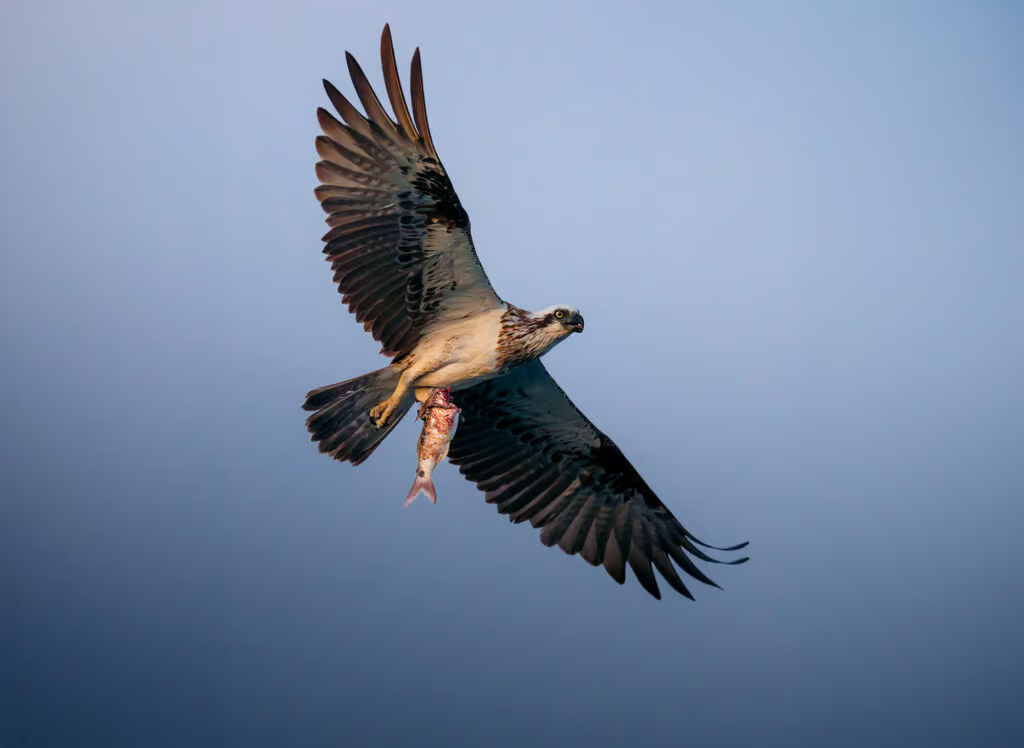
Birdlife in Raja Ampat: When to Spot the Red Bird-of-Paradise
Raja Ampat is as rich above the waterline as it is below. The islands are home to several endemic and iconic bird species, including the legendary Red Bird-of-Paradise (Paradisaea rubra), one of the region’s most sought-after sightings.
- Best time to spot them: Year-round, but sightings are most likely early morning during the dry season (October–April) when trails are drier and skies are clearer.
- Best locations: The islands of Waigeo and Gam are renowned for birdwatching, especially around Sawinggrai and Yenwaupnor villages, where respectful early-morning treks can lead to unforgettable encounters.
- Other notable species: Wilson’s Bird-of-Paradise, Eclectus Parrot, Palm Cockatoo, and Blyth’s Hornbill are also regularly seen — making Raja Ampat a quietly world-class destination for avian photographers and nature lovers.
Bird watching excursions can be arranged as part of your charter. Ask your Boatique planner to include a pre-dawn hike with a local expert.
Travel Tips from the Boatique Team
Smart Advice for a Seamless Experience
- Book early — peak-season charters and top-tier dive resorts fill 6–9 months in advance
- Go liveaboard to access outer reefs like Wayag, Misool, and Boo Windows — unreachable from land
- Know your comfort zone — some dive sites have strong currents and are best suited to intermediate or advanced divers
- Respect local conservation laws — Raja Ampat is a strictly protected marine area; entry permits are mandatory and waste disposal is closely monitored
- Bring cash — many islands and villages do not accept cards; IDR is preferred for tips, small purchases, or village visits
Cultural Events & Local Festivities
While Raja Ampat is sparsely populated, cultural experiences can be unexpectedly rich — especially when timed with village festivals or eco-tourism events.
- Traditional dance and music performances are sometimes held in villages near Waisai, or hosted by resorts in central Raja Ampat
- Cultural days at places like Misool Eco Resort may feature sago preparation, Papuan storytelling, or local craft demonstrations
- Festivities often coincide with Christian holidays (e.g. Easter or Christmas), celebrated with unique local flair
Ask your charter crew or travel planner if any events coincide with your travel dates — they’re rarely advertised, but often unforgettable.

Final Thoughts: When Is the Best Time to Visit Raja Ampat?
There’s no wrong time to visit Raja Ampat, only better times depending on your goals.
If you’re planning a diving-focused journey, the October to April dry season offers the clearest waters, calmest seas, and best chances of manta ray encounters. For those who value solitude, savings, or slower rhythms, the off-season months still hold magic — especially for experienced travellers open to shifting weather and quieter anchorages.
Above all, Raja Ampat rewards those who plan with intention. Whether you choose a liveaboard expedition or a private yacht charter, the experience is shaped not just by the season — but by how you travel through it.
Ready to plan your journey? Speak with our team about current conditions, yacht availability, and crafting an itinerary that fits your season, and your style.
Best Time to Visit Raja Ampat FAQs
What is the best month to visit Raja Ampat?
December to February typically offer peak diving conditions — calm seas, warm water (28–30°C), and the highest chance of manta ray sightings. Visibility often exceeds 25 meters during these months.
Is it possible to visit during the rainy season?
Yes. May to September sees more rainfall and occasional rough seas, but it’s still possible to dive, especially in northern Raja Ampat. You’ll find fewer crowds, lower prices, and some liveaboards still operate selectively.
Is Raja Ampat good for diving year-round?
Absolutely. While conditions shift with the seasons, marine life is abundant all year, and many sites remain diveable with proper planning. Advanced divers may even prefer the off-season for its solitude and macro opportunities.
Is a liveaboard better than staying at a resort?
For most, yes. Liveaboards offer access to remote dive sites unreachable by day boats, especially in Misool and the outer islands. They’re also ideal for multi-day itineraries during peak season allowing you to experience much more of Raja AMpat.
When is the best time to see manta rays and reef sharks?
Manta rays are most reliably spotted between October and April, especially at cleaning stations near Dampier Strait and Misool. Reef sharks are present year-round across Raja Ampat’s coral reefs and channels.